
Discovering that a child or teenager is engaging in self-harm is a deeply distressing experience for any parent or caregiver. It’s crucial to understand that self-harm is not a bid for attention but a sign of immense emotional pain and a maladaptive coping mechanism. At Leeto Child Development Centre in Morningside, Sandton, our psychologists provide a supportive and non-judgmental environment to help young people and their families navigate this challenge. This guide aims to help you understand and prevent self-harm behaviour.
Self-harm, or non-suicidal self-injury (NSSI), refers to the deliberate act of causing harm to one’s own body without suicidal intent. Common methods include cutting, burning, scratching, or hitting oneself. It is a way some young people try to cope with overwhelming feelings, such as anxiety, depression, trauma, or intense stress. This is also supported by the American Psychological Association.
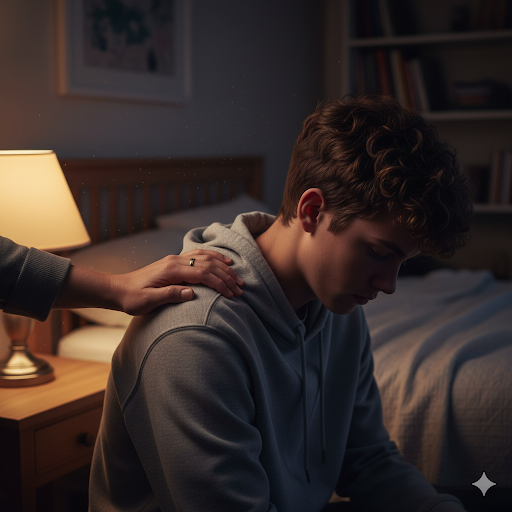
Early intervention is key to preventing self-harm from becoming an entrenched pattern. Be observant of these potential signs that may appear on those close to you and around you:
Understanding the “why” is the first step toward healing. Self-harm is often a way to:
1. Open, Non-Judgmental Communication
If you are concerned, approach your child with compassion, not anger. Use “I” statements, such as “I’ve noticed you seem sad lately, and I’m worried about you.” Let them know you are a safe person to talk to.
2. Validate Their Feelings
Avoid minimising their pain. Instead of saying “It’s not that bad,” try “That sounds incredibly difficult. I’m here for you.” Validation can reduce the shame that often fuels self-harm.
3. Identify Triggers and Develop Healthy Coping Skills
Work with a professional to help your child identify what triggers their urge to self-harm and build a “toolbox” of alternatives. This can include:
4. Seek Professional Help
Self-harm is a clear indicator that a young person needs professional support. Psychologists and therapists can provide evidence-based therapies, such as Cognitive Behavioural Therapy (CBT) or Dialectical Behaviour Therapy (DBT), which are highly effective. Resources from the South African Depression and Anxiety Group (SADAG) can also be a starting point for finding help.
5. Create a Safe Environment
While you cannot watch your child every moment, you can reduce access to means of self-harm and foster a home environment that prioritises open communication and mental wellness.
At Leeto Child Development Centre, we specialise in helping children, teenagers, and young adults develop the emotional resilience they need to cope in healthier ways. We provide:
Witnessing a child in such pain is frightening, but with the right support, recovery is possible. Early intervention can change the trajectory of a young person’s life.
If you are in Johannesburg and concerned that your child may be self-harming, the team at Leeto Child Development Centre in Morningside, Sandton, is here to help. We offer a compassionate, expert approach to healing.
Reach out today to schedule a confidential consultation.
Call Us On: 069 434 8066
Email Us: admin@leeto.joburg
Our Location: 173 Rivonia Road, Morningside, Johannesburg
Website: www.leeto.joburg
Facebook Short Read: https://www.facebook.com/share/p/1BgpWgMktt/
At Leeto, our team of dedicated professionals is committed to providing you with a unique, human-centered approach that truly resonates with you and your family’s experiences.



Leeto Child Development Centre © 2026