Back To Blog Page Return To Main Website Bipolar Awareness: Supporting Children and Teens in the Sandton Area Mental health awareness is a cornerstone of healthy development, yet certain conditions remain shrouded in stigma. Bipolar awareness in Sandton is particularly crucial because early onset in children and adolescents can significantly disrupt the educational journey. At Leeto Child Development Centre, we believe that through education and early intervention, we can help families in Morningside navigate the complexities of this condition. What is Paediatric Bipolar Disorder? Bipolar Disorder is a chronic brain disorder that causes unusual shifts in mood, energy, activity levels, and the ability to carry out day-to-day tasks. Unlike the typical “ups and downs” of childhood, paediatric bipolar disorder involves intense emotional states that occur in distinct periods called “mood episodes”. According to the World Health Organization (WHO), mental health conditions account for a large portion of the global burden of disease among young people. In a school context, these episodes can manifest as extreme irritability, hyper-activity, or profound withdrawal. For an Educational Psychologist in Morningside, the goal is to identify these patterns early to ensure the child’s learning and home environment is adapted to their emotional needs. Recognising the Signs in the Classroom and at Home In the fast-paced academic world of Johannesburg, symptoms can sometimes be mistaken for behavioural issues or academic laziness. Bipolar disorder typically presents in two phases: Manic/Hypomanic Episodes: A child may seem “wired,” talk excessively fast, have an inflated sense of self-importance, or engage in risky behaviours. In school, this might look like a sudden inability to focus or a defiance of classroom rules. Depressive Episodes: This involves overwhelming sadness, physical fatigue, and a loss of interest in activities they once loved. Academically, this often leads to a sharp decline in grades and school refusal. Parents seeking a child psychologist in Morningside often report that their child’s “meltdowns” feel different from their peers which are more intense, longer-lasting, and harder to soothe. The Role of Educational Psychology in Management Because Bipolar Disorder affects a child’s cognitive processing and social interactions, an adolescent mental health specialist in Sandton plays a dual role. We provide clinical support while also acting as a liaison with the school. Managing paediatric bipolar disorder in Johannesburg requires a multidisciplinary approach. This often includes: Psycho-education: Teaching the child and family how to track mood triggers. Individual Therapy: Helping the teen develop coping mechanisms for emotional regulation. School Support Plans: Working with teachers to allow for “down-time” or modified assignments during depressive cycles. Collaborating with a multidisciplinary team: Collaborating with the different professionals that your child consults with is essential in ensuring a well-rounded support plan. Organizations like the South African Depression and Anxiety Group (SADAG) offer incredible local resources and support groups for families dealing with these diagnoses. Utilising these networks alongside professional therapy creates a robust safety net for the child. Navigating the Stigma in Sandton Schools There is often a fear that a diagnosis like Bipolar Disorder will “label” a child or limit their future. At Leeto Child Development Centre, we view a diagnosis as a tool for empowerment. With the right management, children with Bipolar Disorder can be exceptionally creative, driven, and successful. Our practice adheres to the ethical guidelines set by the American Academy of Child and Adolescent Psychiatry (AACAP), ensuring that our interventions are evidence-based and developmentally appropriate. We aim to foster an environment in Morningside where mental health is treated with the same importance as physical health. Conclusion: Hope Through Understanding Bipolar awareness in Sandton starts with a single conversation. If you are concerned about your child’s emotional fluctuations and their impact on school life, reaching out for a professional evaluation is the bravest first step. At Leeto Child Development Centre, we are dedicated to helping your child find balance and brilliance. Call Us On: 069 434 8066 Email Us: admin@leeto.joburg Our Location: 173 Rivonia Road, Morningside, Johannesburg Website: www.leeto.joburg Facebook Whatsapp

Accommodation assessments Sandton
Back To Blog Page Return To Main Website Unlocking Academic Success: A Guide to Accommodation Assessments in Sandton For parents in the academically competitive hubs of Sandton and Morningside, watching a capable child struggle during exams is heart-wrenching. Often, the issue isn’t a lack of preparation or intelligence, but rather a barrier in how the student processes information under pressure. At Leeto Child Development Centre, we specialise in accommodation assessments in Sandton to help bridge that gap, ensuring every learner has a fair opportunity to succeed. What are Accommodation Assessments? An accommodation assessment which is often referred to as a “concessions assessment” is a specialised evaluation conducted by an Educational Psychologist in Morningside. Unlike a standard test, this process is designed to uncover a child’s unique cognitive profile. We look beyond the grades to understand their cognitive strengths and specific academic needs. The goal is to determine if a student requires “reasonable accommodations” to level the playing field. These findings are essential for making formal applications to school boards for support during tests and examinations. The Path to IEB and GDE Exam Concessions Navigating the administrative requirements for school support can be daunting for parents. Whether your child attends a private school under the Independent Examinations Board (IEB) or a public school governed by the Gauteng Department of Education (GDE), a formal psychological report is a non-negotiable requirement. Commonly granted school accommodations in Johannesburg include: Additional Time: Usually 5–15 minutes extra per hour to assist with slow processing speed or anxiety. Scribes and Readers: For students with dyslexia,physical writing barriers or students who experience reading difficulties. Rest Breaks: To help students manage chronic pain, fatigue, or sensory overload. Small Venue Placement: Reducing environmental distractions for students with Attention Deficit/Hyperactivity Disorder (ADHD). The Department of Basic Education has strict yearly timelines for these applications, often requiring them to be finalised by Grade 10 or 11. Early testing ensures that these supports are not just a “last-minute fix” but an integrated part of the student’s academic journey. Why Choose Leeto Child Development Centre? At Leeto, we believe in a “human-centered” approach. We aren’t just looking for a diagnosis; we are looking for a way forward. Our assessments provide a roadmap that translates complex psychological data into practical classroom strategies. As a practice registered with the Health Professions Council of South Africa (HPCSA), we maintain the highest clinical standards. Our location in the heart of Morningside makes us a convenient partner for many of the schools in the Sandton area. We understand the specific pressures of the local schooling environment and work closely with educators to ensure our recommendations are implemented effectively. Moving from “Struggle” to “Strength” The true value of an accommodation assessment in Sandton lies in the boost to a child’s confidence. When a student receives the right support, the focus shifts from their disability or barrier to their actual ability. It transforms the exam experience from a moment of overwhelm into an opportunity for achievement. Conclusion: Take the Next Step If your child is working twice as hard as their peers but seeing half the results, it may be time to explore IEB/GDE exam concessions in South Africa. Don’t wait until the Matric finals to seek help. Providing your child with the right tools today ensures they can reach their full potential tomorrow. Take the First Step Toward Understanding and Support Call Us On: 069 434 8066 Email Us: admin@leeto.joburg Our Location: 173 Rivonia Road, Morningside, Johannesburg Website: www.leeto.joburg Facebook Short Read: https://www.facebook.com/share/p/1DPBMxKfqB/ Facebook Whatsapp
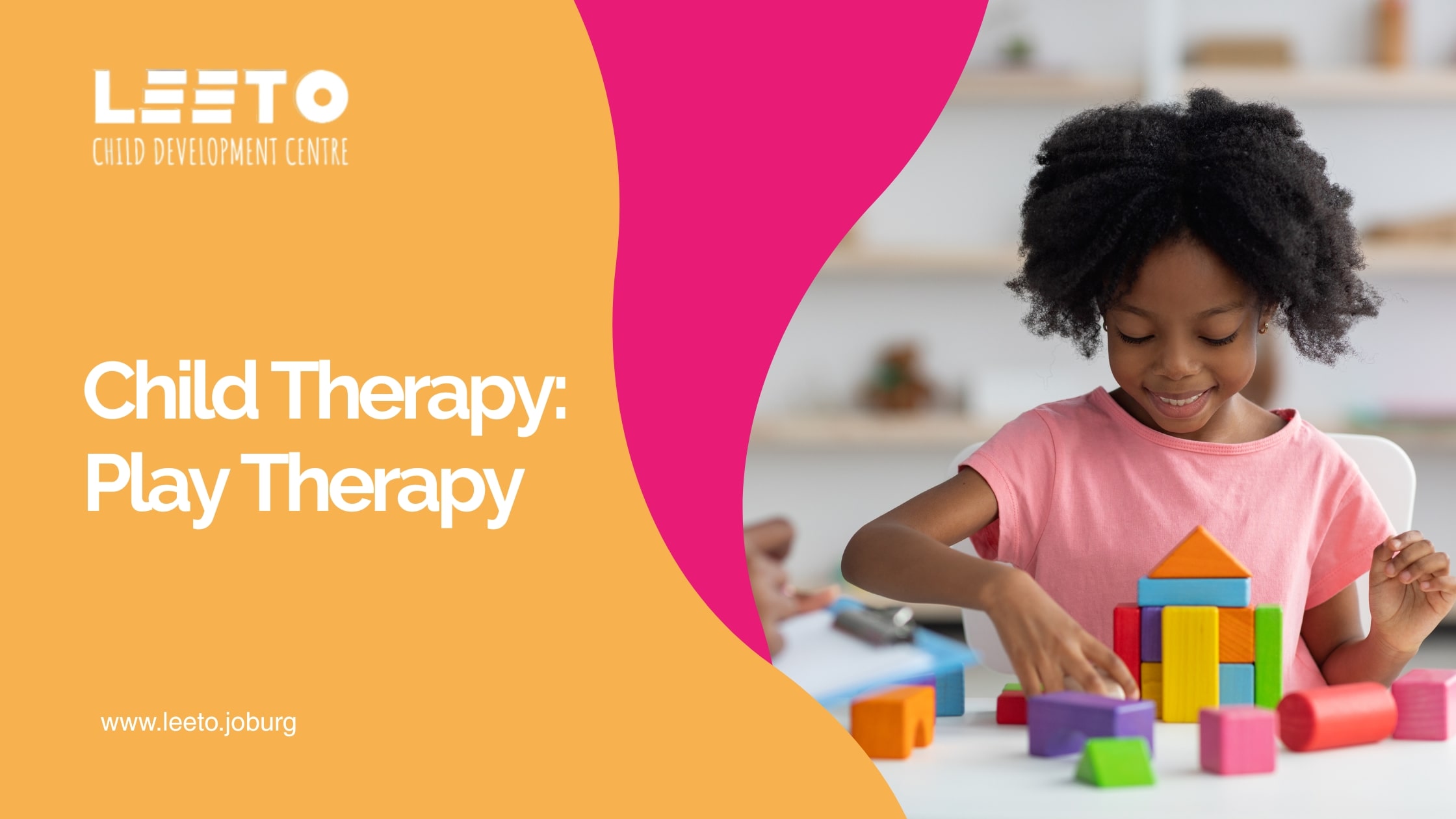
Child Therapy & Play Therapy
Back To Blog Page Return To Main Website Child Therapy and Play Therapy: Helping Children Find Their Voice and Heal Children experience the world with profound intensity, but they often lack the vocabulary to express complex emotions like anxiety, grief, or fear. When words fail, behaviour often speaks. At Leeto Child Development Centre in Morningside, Sandton, we specialise in child therapy and play therapy, evidence-based approaches that allow children to communicate, process their experiences, and develop healthy coping skills in a safe and supportive environment. What is Child Therapy? Child therapy is a broad term for a range of techniques and methods used to help children who are experiencing emotional, behavioural, or social challenges. Unlike adult therapy, which relies heavily on conversation, child therapy is tailored to a child’s developmental level. It uses activities, play, and creative expression as the primary mediums for communication and healing. The goal is not to “fix” the child, but to provide them with the tools and emotional support they need to understand their feelings and navigate their world more effectively. The Power of Play Therapy The Association for Play Therapy defines it as the systematic use of a theoretical model to establish an interpersonal proces s whereby trained therapists use the therapeutic powers of play to help clients prevent or resolve psychosocial difficulties and achieve optimal growth and development. In the playroom, toys are like a child’s words, and play is their language. Through play, children can: Express what is troubling them when they do not have the verbal language. Gain a sense of control and mastery over their experiences. Develop problem-solving skills and creative solutions. Learn to respect and accept themselves and others. Is Your Child a Candidate for Therapy? Recognising the Signs It can be difficult to know when typical childhood challenges have escalated into something that requires professional support. Consider seeking child therapy if your child is consistently displaying: Significant Behavioural Changes: Increased aggression, anger, or frequent tantrums that are not age-appropriate. Emotional Dysregulation: Persistent sadness, worry, fear, or tearfulness. Social Difficulties: An inability to make or keep friends, or extreme shyness and withdrawal. Academic Decline: A sudden drop in school grades or a refusal to attend school. Regression: Reverting to earlier behaviours, such as bedwetting or thumb-sucking. Physical Symptoms: Frequent headaches or stomach aches with no medical cause, often linked to anxiety. Difficulty Coping with Life Changes: Struggling to adjust to events like divorce, a new sibling, a death in the family, or a move. What to Expect at Leeto: Our Therapeutic Process Our approach at Leeto is child-centred and collaborative. We begin with a comprehensive assessment involving parents to understand the child’s history, strengths, and challenges. The Therapeutic Environment Our therapy rooms in Sandton are specifically designed to be a safe, welcoming, and confidential space. They are equipped with a carefully selected range of toys—from dolls and puppets and art supplies—that encourage creative expression and emotional exploration. The Role of the Therapist Our educational psychologists are trained in play therapy techniques. Depending on the child’s presentation the therapy approach can either be directive or non-directive. A directive therapy approach is often structured and goal-orientated. In non-directive therapy the psychologists do not direct the child’s play but follow their lead, offering gentle reflections and insights. They provide a non-judgmental, empathetic presence that allows the child to feel truly seen and heard. The Role of Parents Parents are essential partners in the therapeutic process. We provide regular parent feedback sessions to discuss progress, share insights, and equip you with strategies to support your child’s emotional development at home. Research from authoritative bodies like the American Psychological Association (APA) consistently shows that parent involvement is a key factor in positive therapeutic outcomes for children. The Benefits of Child and Play Therapy Engaging in therapy can lead to transformative changes, including: Improved Emotional Literacy: Children learn to identify, understand, and express their feelings in healthy ways. Stronger Coping Skills: They develop resilience and learn to manage anxiety, anger, and frustration. Enhanced Self-Esteem: As children work through their challenges, they develop a stronger sense of self-worth and capability. Better Family Relationships: Therapy can improve communication and reduce conflict within the family system. Positive Behavioural Shifts: Destructive or worrisome behaviours often decrease as the underlying emotional issues are addressed. Taking the Next Step in Sandton at Leeto Child Development Centre Seeking help is a sign of strength and profound love for your child. If you have concerns about your child’s emotional or behavioural well-being, you do not have to navigate this journey alone. The team at Leeto Child Development Centre in Morningside, Sandton, is here to provide expert, compassionate child therapy and play therapy. We are dedicated to helping your child find their voice and build a foundation for lifelong emotional health. Call Us On: 069 434 8066 Email Us: admin@leeto.joburg Our Location: 173 Rivonia Road, Morningside, Johannesburg Website: www.leeto.joburg Facebook Short Read: https://www.facebook.com/share/p/1Gh1Sd6r3p/ Facebook Whatsapp
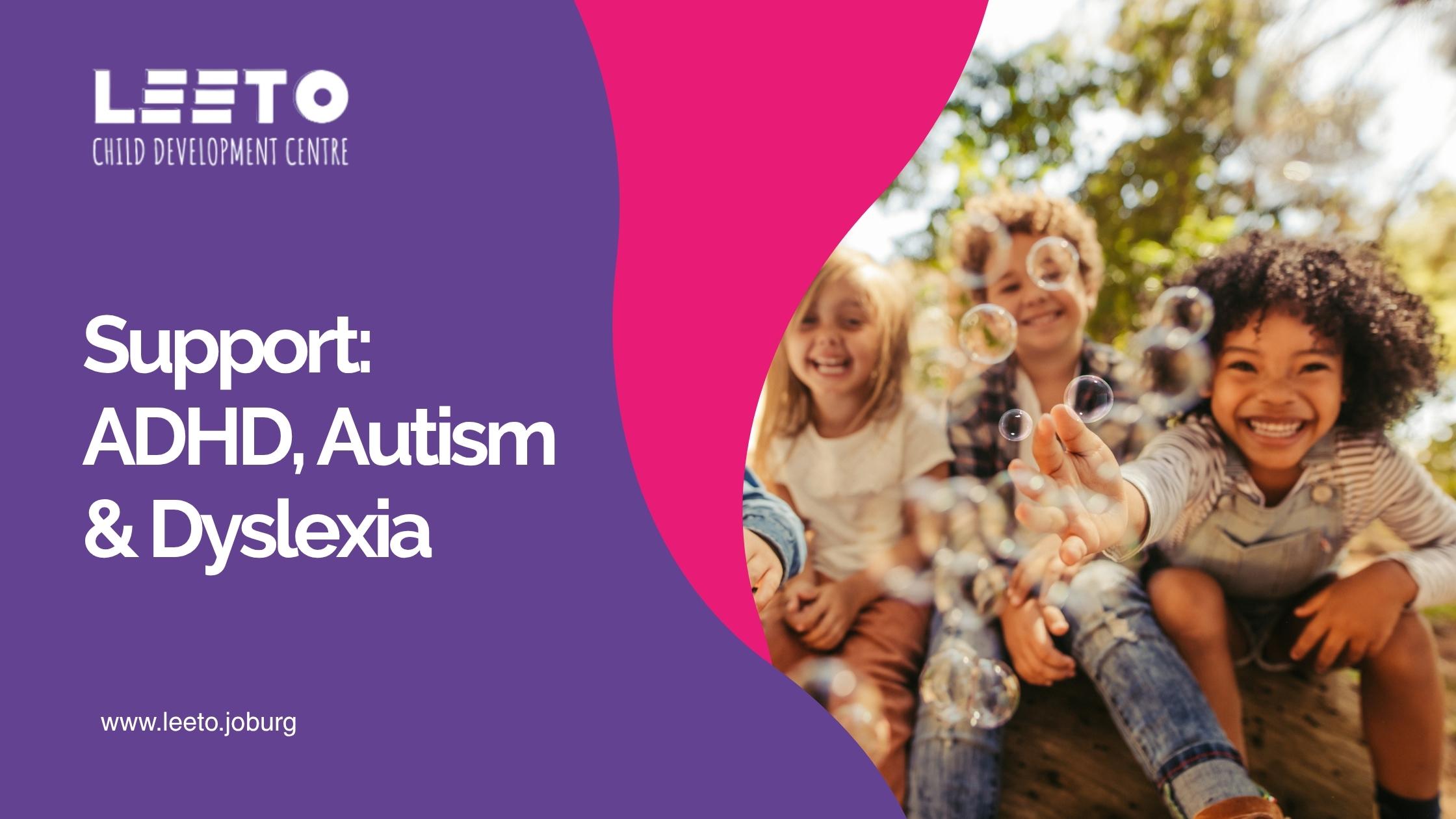
ADHD Support, Autism & Dyslexia
Back To Blog Page Return To Main Website Comprehensive Support for ADHD, Autism, and Dyslexia at Leeto Child Development Centre Navigating the challenges of neurodevelopmental differences such as Attention Deficit/Hyperactivity disorder (ADHD), Autism spectrum disorder (ASD), and Dyslexia can feel overwhelming for both children and their families. Leeto Child Development Centre in Morningside, Sandton, provides a beacon of hope and a path forward. Our specialised team of educational psychologists are dedicated to offering expert, compassionate clinical support tailored to each child’s unique strengths and needs. Understanding these neurodevelopmental conditions is the first step toward unlocking a child’s incredible potential. Understanding ADHD, Autism, and Dyslexia While distinct, these neurotypes often share overlapping traits and can co-occur. Recognising the signs is crucial for seeking the right intervention. Attention-Deficit/Hyperactivity Disorder (ADHD) is characterised by a persistent pattern of inattention and/or hyperactivity-impulsivity that interferes with functioning or development. A child with ADHD may struggle to focus, act without thinking, or seem constantly “on the go.” Autism Spectrum Disorder (ASD) is a developmental condition that affects how a person communicates and relates to others, and experiences the world. Autistic individuals may have intense interests, find social interactions challenging, and be sensitive to sensory input like sounds or textures. Dyslexia is a specific learning difficulty that primarily affects the skills involved in accurate and fluent word reading and spelling. It is a neurological difference, not a reflection of intelligence. A child with dyslexia may struggle with phonics, reading fluency, and spelling, despite adequate instruction. Our Integrated Support Approach at Leeto Leeto believes in a holistic, child-centred methodology. Our process begins with a comprehensive assessment to understand your child’s specific cognitive, academic, and emotional profile. This allows us to create a targeted intervention plan. 1. Specialised ADHD Support in Johannesburg Our ADHD support is designed to help children manage their symptoms and thrive at home, school, and in social settings. We move beyond simple focus and work on building essential executive functioning skills. Assessment & Diagnosis: Using standardised tools to provide clarity. Behavioural Strategies: Teaching practical skills for organisation, time management, and impulse control. Parent Guidance: Empowering families with techniques to create supportive and structured home environments. Collaboration with Schools: Working with teachers to implement effective classroom accommodations. 2. Personalised Autism Support in Sandton Our Autism support focuses on fostering communication, social skills, and emotional regulation while honouring the child’s neurotype. We help children navigate a world that might feel as if it is not always designed for them. Strength-Based Therapy: Building on the child’s intense interests and talents to boost confidence and motivation. Social Skills Training: Facilitating individual or group sessions to practise interaction, perspective-taking, and friendship skills. Communication Support: Using various methods, from spoken language to visual aids, to help children express their needs and thoughts effectively. 3. Targeted Dyslexia Support for Lasting Literacy Our Dyslexia support uses evidence-based, multi-sensory techniques to rewire the brain for reading. We build foundational literacy skills and, most importantly, restore a child’s confidence and love for learning. Structured Literacy Intervention: Programmes like Orton-Gillingham that explicitly teach the structure of language in a systematic way. Phonological Awareness Training: Strengthening the ability to identify and manipulate sounds in words, a critical precursor to reading. Assistive Technology Guidance: Introducing tools like text-to-speech and speech-to-text software to level the playing field. Academic Strategy Coaching: Teaching compensatory strategies for reading comprehension, spelling, and written expression. The Power of a Combined Approach Many children present with a profile that includes traits of more than one neurotype. For instance, a child can have both Autism and ADHD (ADHD), or Dyslexia and ADHD. Our integrated approach is uniquely positioned to provide interventions for these complexities. We don’t work in silos; our expertise across these areas allows us to see the whole child and develop a cohesive support plan that addresses their needs without conflicting strategies. Organisations like the International Dyslexia Association affirm the high rate of co-occurring conditions, making this integrated perspective essential. Why Choose Leeto Psychologists in Morningside, Sandton? Finding the right support close to home in Johannesburg is vital for consistency. At Leeto, you are not just getting a therapist; you are gaining a partner. We walk alongside your family, providing ongoing assessment, adjusting strategies, and celebrating every milestone. Our goal is to equip your child with the skills and self-understanding they need to navigate their educational journey and build a positive self-identity. Take the First Step Toward Understanding and Support A diagnosis of ADHD, Autism, or Dyslexia is not a limit; it is a key that unlocks the door to tailored support and profound growth. With the right guidance, children with these neurotypes can not only keep up but excel, bringing their unique perspectives and talents to the world. Resources and support groups provided by SADAG. If you are seeking expert ADHD support, Autism support, or Dyslexia support in the Sandton or greater Johannesburg area, Leeto Child Development Centre is here to help. Contact us today to schedule a comprehensive assessment and begin your child’s journey to success. Call Us On: 069 434 8066 Email Us: admin@leeto.joburg Our Location: 173 Rivonia Road, Morningside, Johannesburg Website: www.leeto.joburg Facebook Short Read: https://www.facebook.com/share/p/1DPBMxKfqB/ Facebook Whatsapp

Managing Exam Stress
Back To Blog Page Return To Main Website Managing Exam Stress: Practical Strategies for Students and Parents Exam season can be a period of high anxiety for students, which can be of concern for parents. While a certain level of stress can be motivating, excessive worry can hinder performance and impact well-being. At Leeto Child Development Centre in Morningside, Sandton, our educational psychologists work with learners to build resilience and effective coping strategies. This guide provides practical tips for managing exam stress and fostering an environment conducive to success. Understanding Exam Stress Exam stress is the feeling of pressure and apprehension experienced before and during examinations. It stems from aspects including a fear of failure, high expectations, or feeling unprepared. Recognising the signs is the first step toward management. Below are some signs of stress to look out for: Emotional: Anxiety, irritability, hopelessness, lack of motivation. Physical: Headaches, nausea, rapid heartbeat, changes in sleep or appetite. Cognitive: “Blanking out,” difficulty concentrating, negative self-talk. Behavioural: Procrastination, avoidance of studying, fidgeting. Effective Strategies for Students 1. Create a Structured Study Plan A well-organised plan reduces the feeling of being overwhelmed. Break your syllabus into manageable chunks and use a timetable to allocate time for each subject. This promotes consistent effort well before an exam over last-minute cramming. 2. Develop Active Learning Techniques Move beyond passive reading. Use methods like: Practice Questions: Apply your knowledge under timed conditions. Summarising: Condense notes into mind maps or flashcards. Teaching Someone Else: Explaining a concept to a friend or family member solidifies your understanding. 3.Master Time Management Use techniques like the Pomodoro Method: study for 25-30 minutes, then take a 5-minute break. This maintains focus and prevents burnout. 4.Prioritise Physical Health Your brain and body are connected. Sleep: Aim for 8-9 hours of quality sleep. After studying, sleep is crucial for memory consolidation. Nutrition: Eat balanced meals and stay hydrated. Avoid excessive caffeine and sugar. Exercise: Even a 20-minute walk can reduce stress hormones and improve mood. 5. Practice Relaxation Techniques Incorporate short, calming exercises into your day: Deep Breathing: Inhale for 4 counts, hold for 4, exhale for 6. Mindfulness: Spend a few minutes focusing on your senses to ground yourself in the present moment. Progressive Muscle Relaxation: Tense and then relax each muscle group in your body. How Parents and Guardians Can Support Their Children Your role is to be a pillar of support, not an additional source of pressure. Foster a Supportive Environment: Encourage open communication. Let your child know that their worth is not defined by their exam results. Avoid Negative Talk: Steer clear of comparisons to siblings or peers. Help with Practicalities: Assist in creating a quiet, organised study space and ensure the child has healthy snacks available. Promote Balance: Encourage breaks, social time, and physical activity. The South African College of Applied Psychology (SACAP) highlights the importance of holistic well-being for academic success. When to Seek Professional Help If stress becomes debilitating, leading to panic attacks, persistent low mood, or an inability to function, it may be time to seek support. The educational psychologists at Leeto can help with: Identifying underlying causes of anxiety. Developing personalised coping and organisational strategies. Building self-confidence and challenging negative thought patterns The Leeto Child Development Centre Approach to Academic Wellness At Leeto Child Development Centre, we empower students in Sandton and Johannesburg with the skills they need to thrive, not just in exams, but in all areas of life. We provide individualised support to help students manage anxiety, improve executive functioning skills, and build lasting resilience. Empower Your Child to Thrive Under Pressure Exams are a marathon, not a sprint. With the right tools and support, your child can navigate this challenging period with confidence and composure. If exam stress is overwhelming your child, Leeto Child Development Centre in Morningside, Sandton, can help. We provide expert strategies for students to manage anxiety and achieve their academic potential. Call Us On: 069 434 8066 Email Us: admin@leeto.joburg Our Location: 173 Rivonia Road, Morningside, Johannesburg Website: www.leeto.joburg Facebook Short Read: https://www.facebook.com/share/p/1G2sUmf6cY/ Facebook Whatsapp
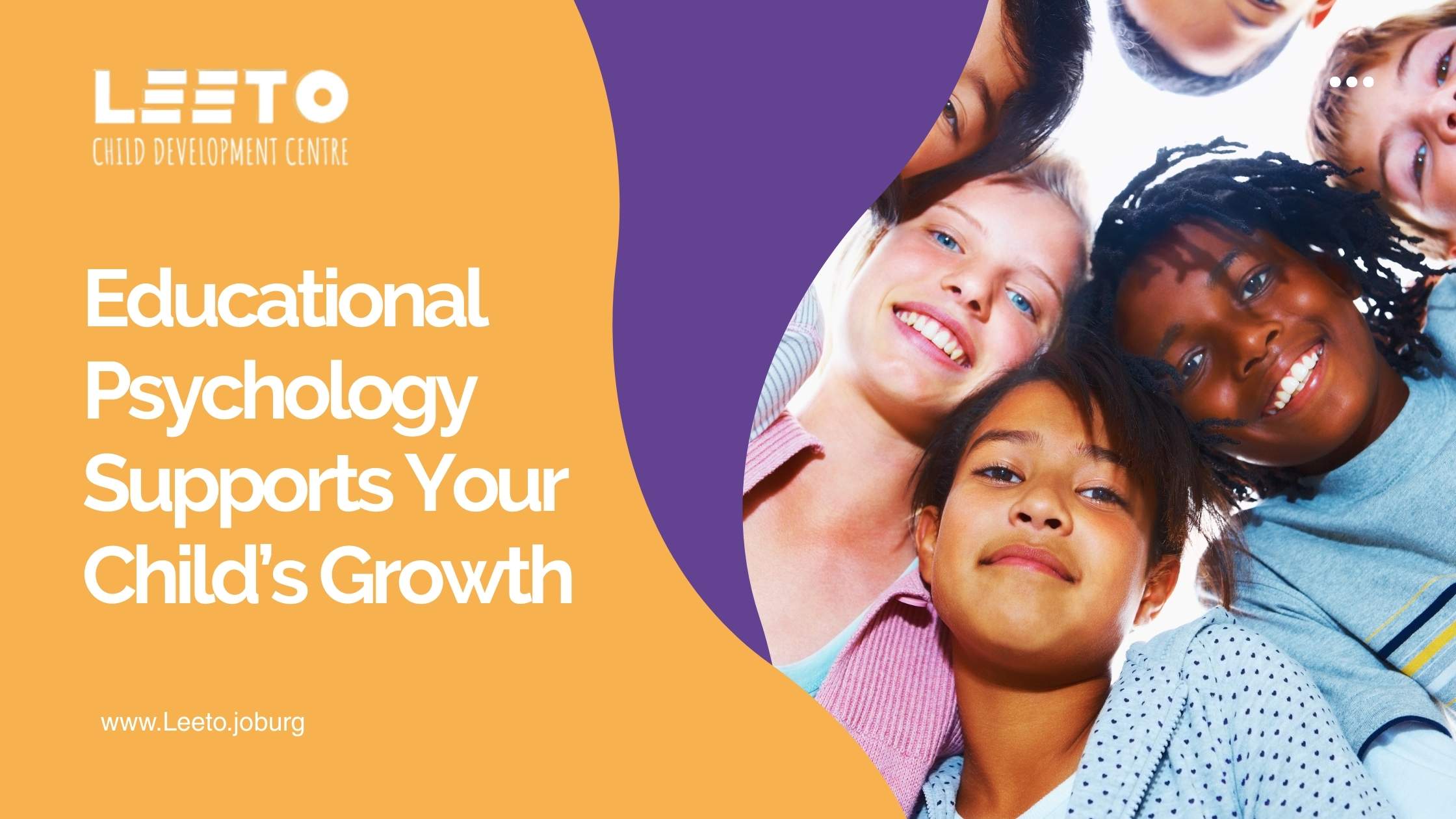
Educational Psychologist: Supporting Your Child’s Growth in Sandton
Back To Blog Page Return To Main Website How Educational Psychology Supports Your Child’s Growth Life’s journey presents challenges, more especially for children and young adults navigating a dynamic, often overwhelming world. Leeto Child Development Centre, in Morningside, Sandton, believes in empowering families through thoughtful, professional psychological support. Led by Educational Psychologist Naledi Mokoena, Leeto Child Development Centre offers a human-centred approach to development. Whether your child is struggling with learning barriers, emotional regulation, or neurodiversity (such as autism), we walk the journey with you. Educational Psychologist Services Leeto Child Development Centre focuses on: Psychoeducational AssessmentsThese help uncover learning strengths, developmental needs, and guide interventions for school readiness, or exam concessions and accommodations. Therapy for Children & Young AdultsA safe space to explore emotions, identity, grief, and the challenges that come with growing up. Group Workshops & TalksThrough group intervention, we support both parents, teachers, and children with practical tools to thrive emotionally, socially, and academically. Why Choose Leeto Child Development Centre? We combine compassion with research-based interventions. Educational psychologist, Naledi Mokoena, brings a specialisation in neurodiversity, identity development, and grief work which uniquely positions Leeto Child Development Centre to support diverse needs. Need Assistance? Ready to learn more about supporting your child’s education journey? Contact Leeto today for assessments, therapy, and workshops designed to help learners thrive. Call Us On: 069 434 8066 Email Us: admin@leeto.joburg Our Location: 173 Rivonia Road, Morningside, Johannesburg Website: www.leeto.joburg Facebook Short Read: https://www.facebook.com/share/p/1771K5aKnG/ Facebook Whatsapp
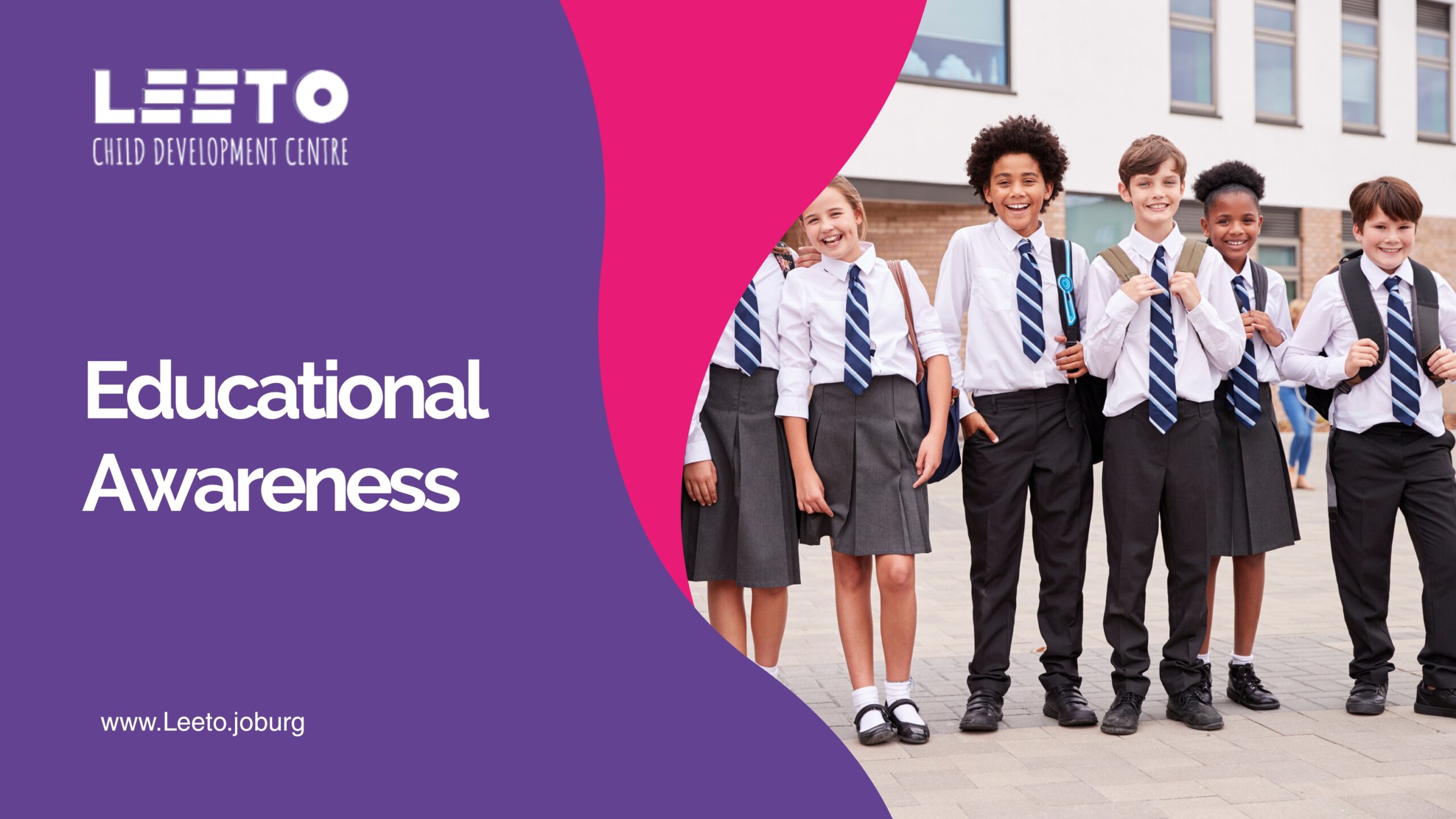
Educational Awareness in South Africa
Back To Blog Page Return To Main Website Educational Awareness in South Africa: Why It Matters for Our Future Education is the cornerstone of any thriving society, and in South Africa, this principle holds more weight than ever. With a diverse population and a rapidly changing socio-economic landscape, ensuring educational awareness is a necessity. Parents, teachers, and mental health professionals all have a vital role to play in building an environment that prioritises learning and holistic development. What is Educational Awareness? Educational awareness refers to understanding the needs of learners, recognising challenges in education systems, and providing the right interventions to ensure every child reaches their full potential. It is more than knowing that education is important, as it involves identifying barriers such as learning difficulties, emotional challenges, socio-economic constraints, and systemic gaps that may impact a child’s learning progress. Leeto Child Development Centre believes that educational awareness starts at home, extends to schools, and is strengthened through community-based interventions. How Educational Psychologists Can Help An educational psychologist bridges the gap between learning and emotional well-being. Services such as psychoeducational assessments, individual therapy, and school consultations allow us to tailor interventions that improve academic performance and emotional resilience. Leeto Child Development Centre focuses on: Assessments: Identifying learning strengths and challenges. Therapy: Helping children and young adults navigate academic stress and personal challenges. Workshops: Training parents and teachers to create supportive environments for children and learners. Building a Stronger Future Through Educational Awareness Every child has potential. By increasing awareness, providing early interventions, and fostering collaboration between parents, educators, and professionals, we can create a more equitable and successful education system for South Africa. Our Services Include: Individual Therapy: One-on-one sessions to address issues including anxiety, depression, stress, self-esteem issues. Workshops and Awareness Programs: Educating young adults about coping strategies, resilience, and emotional intelligence. Assessments: These assist in determining and gaining insight into any academic challenges and strategies for learning support. Our approach is rooted in empathy, evidence-based practices, and cultural sensitivity to ensure young adults feel safe and supported Need Assistance? Ready to learn more about supporting your child’s education journey? Contact Leeto today for assessments, therapy, and workshops designed to help learners thrive. Call Us On: 069 434 8066 Email Us: admin@leeto.joburg Our Location: 173 Rivonia Road, Morningside, Johannesburg Website: www.leeto.joburg Facebook Short Read: https://www.facebook.com/share/p/16fqLd7vaH/ Facebook Whatsapp